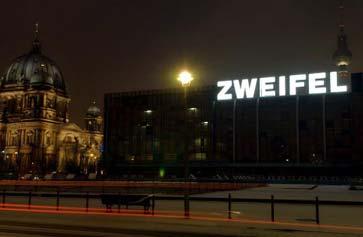
 As Berlin goes so Germany goes. It is a city that condenses all the fragmentation and contradiction of this nation in one place. The name itself, iconic. It is at once a symbol of hope and doubt, joy and fear, triumph and tragedy. It is sophisticated and degenerate, inspirational and irritating, cosmopolitan and provincial. It is German.
The post-World War II West German Republic was never intended to be strong or politically efficient. Following the disaster of fascism, the last thing West Germans and the world wanted was a government able to effectively implement the majority will of its people, favouring broad consensus rather than popular dictatorship. Majority rule was unacceptable, proportional rule with significant power allotted minorities was the only conceived way to prevent a relapse into oppressive government. The post-war constitution and governments since 1949 have been an acknowledgement that Germans intrinsically do not trust each other, to a certain extent even fear each other.